



PolyUrbanWaters


Implementation Phase
NEW TEXT – Southeast Asian cities are challenged to find new ways to strengthen their resilience, inclusion and comprehensive water resource security. In view of urban development dynamics, climate changThe PolyUrbanWaters project aims to develop innovative and transferable instruments for water-sensitive, sustainable, and climate-resilient urban transformation in Southeast Asia, thereby supporting the localization of the Agenda 2030. Against the backdrop of rapid urbanization, increasing climate risks, and limited financial and institutional capacities, the project develops approaches to establish water as a cross-sectoral dimension of urban development. Its objective is to strengthen water-related public service provision and enhance the resilience of particularly small and medium-sized cities to the impacts of climate change.
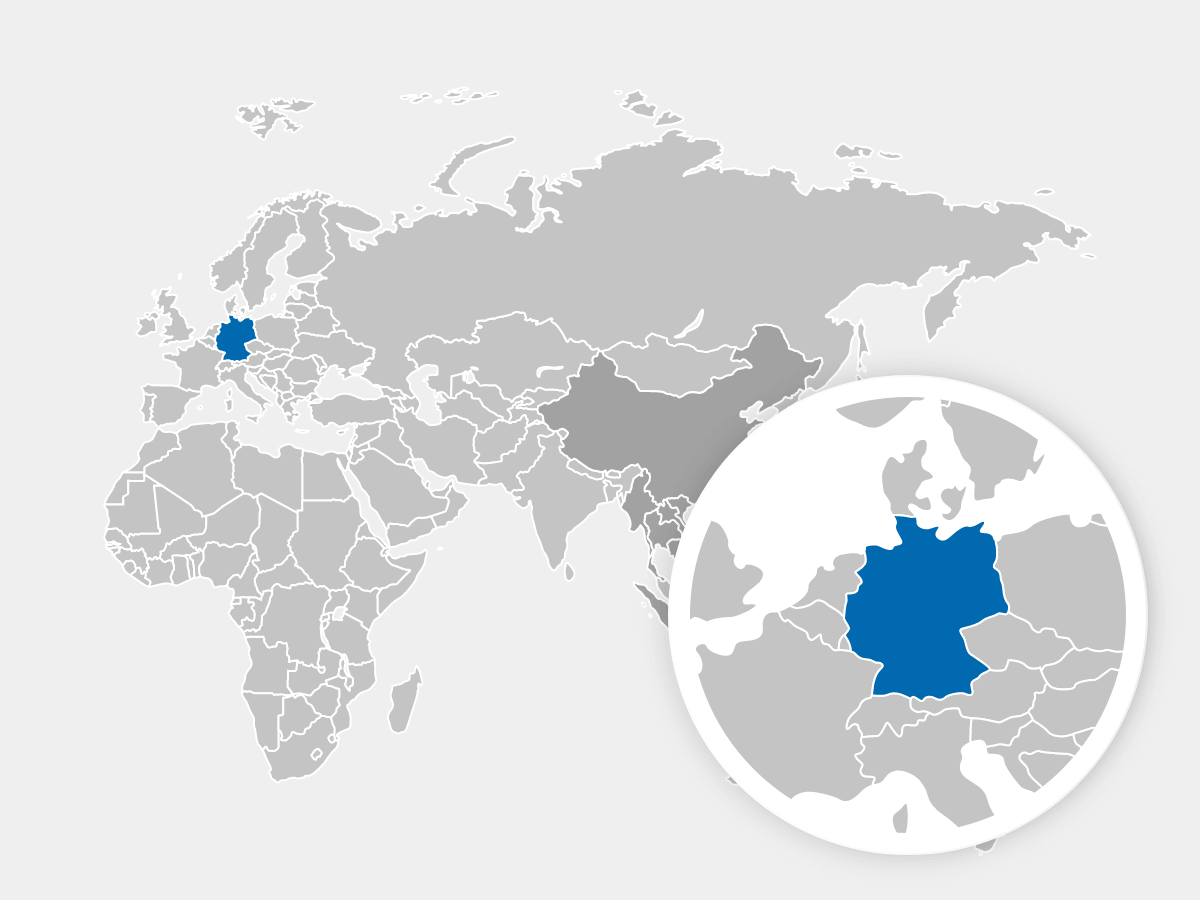
Concepts such as “Water Sensitive Cities,” “Water Wise Cities,” and “Sponge Cities” are gaining increasing global relevance in sustainable urban development. However, their applicability to small and medium-sized cities in Southeast Asia has so far received limited attention. PolyUrbanWaters therefore combines water-sensitive urban planning, sustainable infrastructure development, climate adaptation, and integrated land and water resources management within a transdisciplinary framework. The project brings together partners from academia, civil society, local governments, ministries, and practice-oriented organizations from Cambodia, Germany, Indonesia, Lao PDR, Thailand, and Vietnam. A strategic partner for the regional anchoring and dissemination of the project results is the United Nations Economic and Social Commission for Asia and the Pacific.
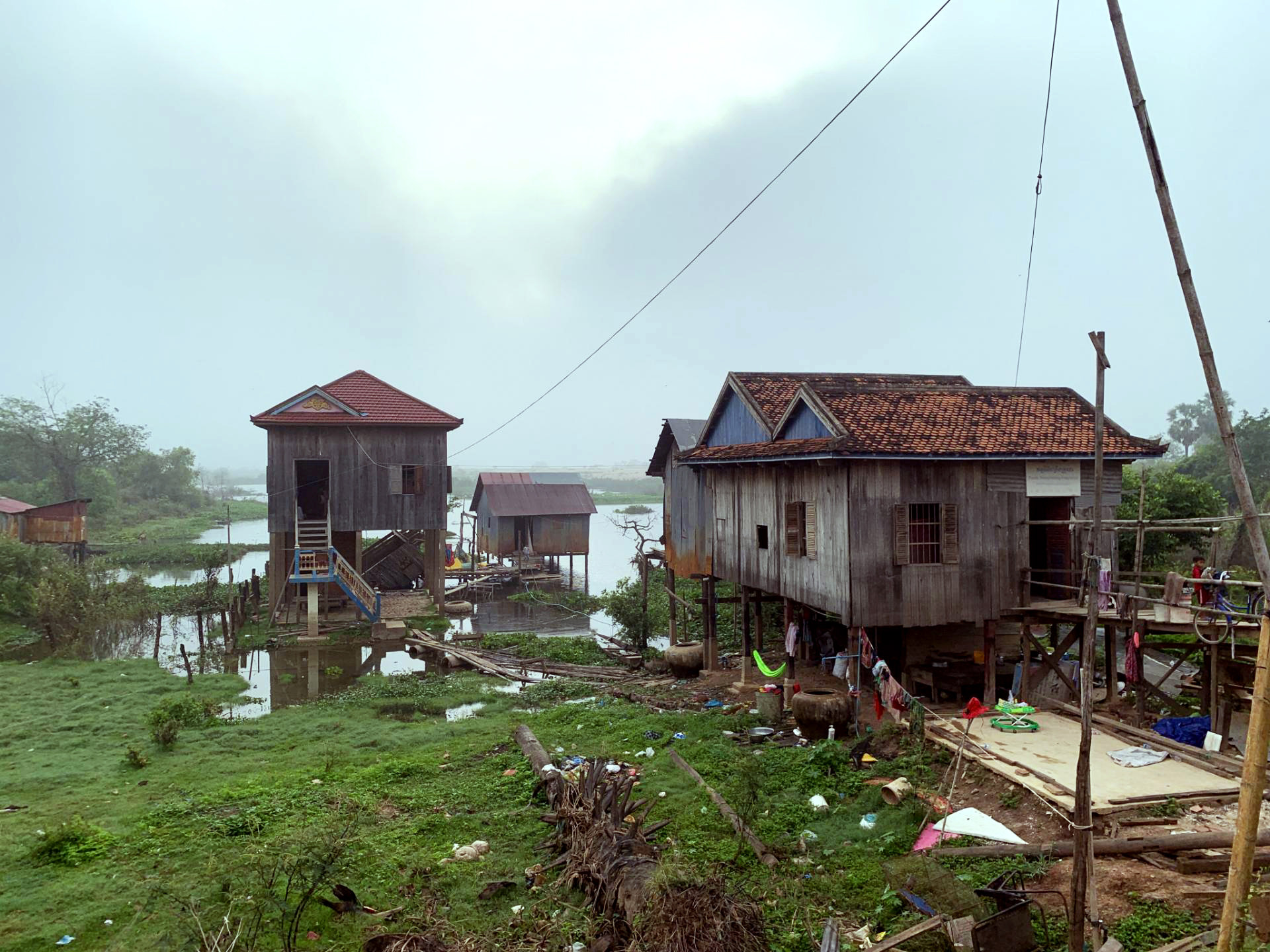
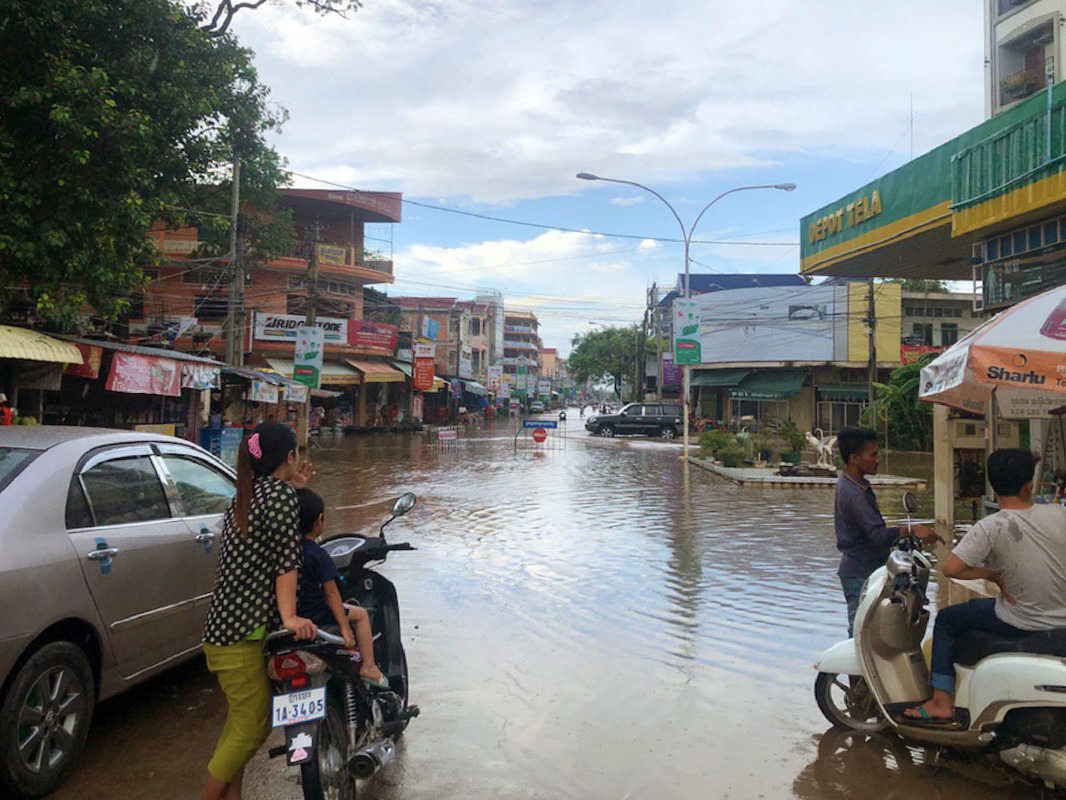
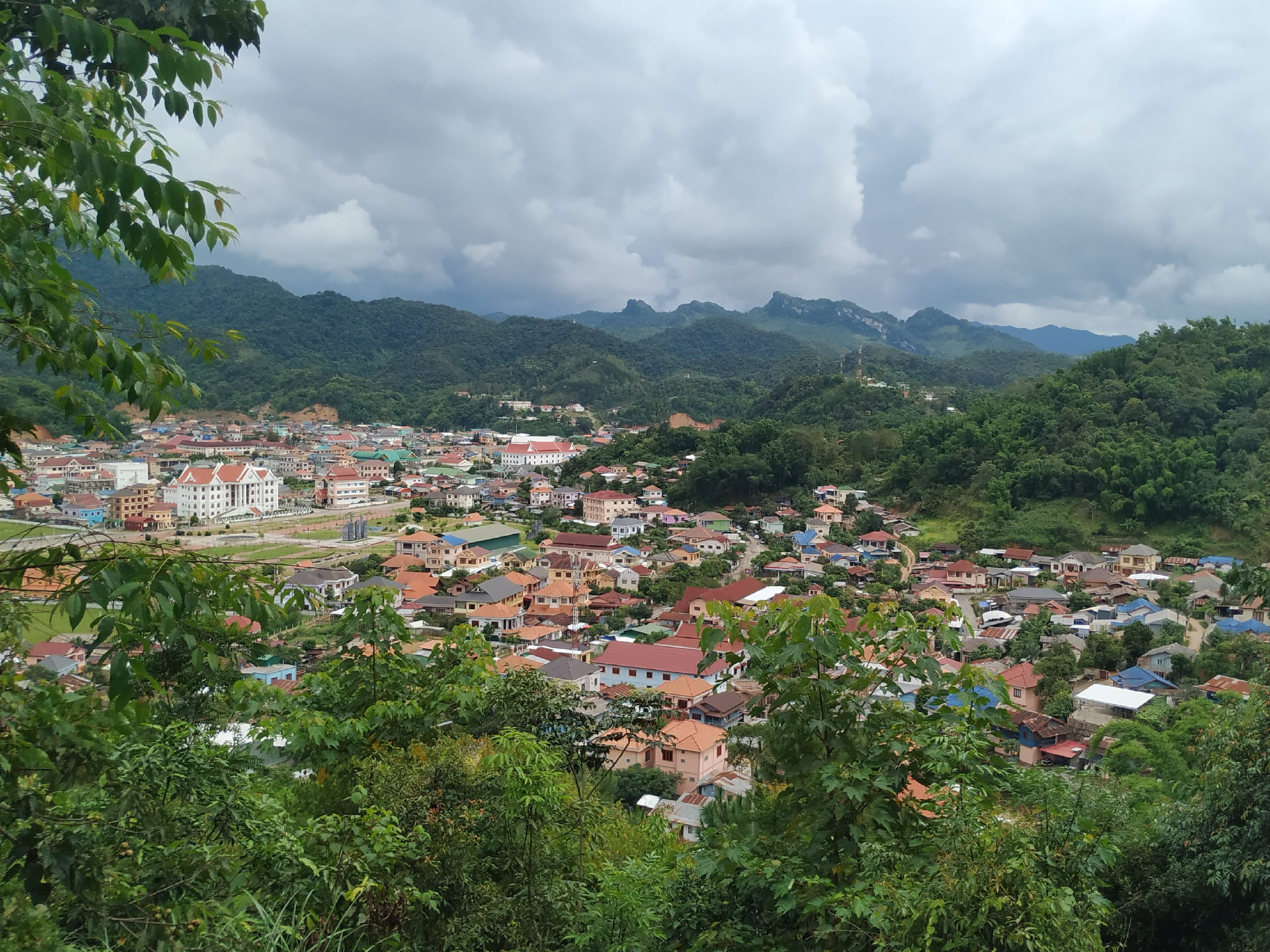
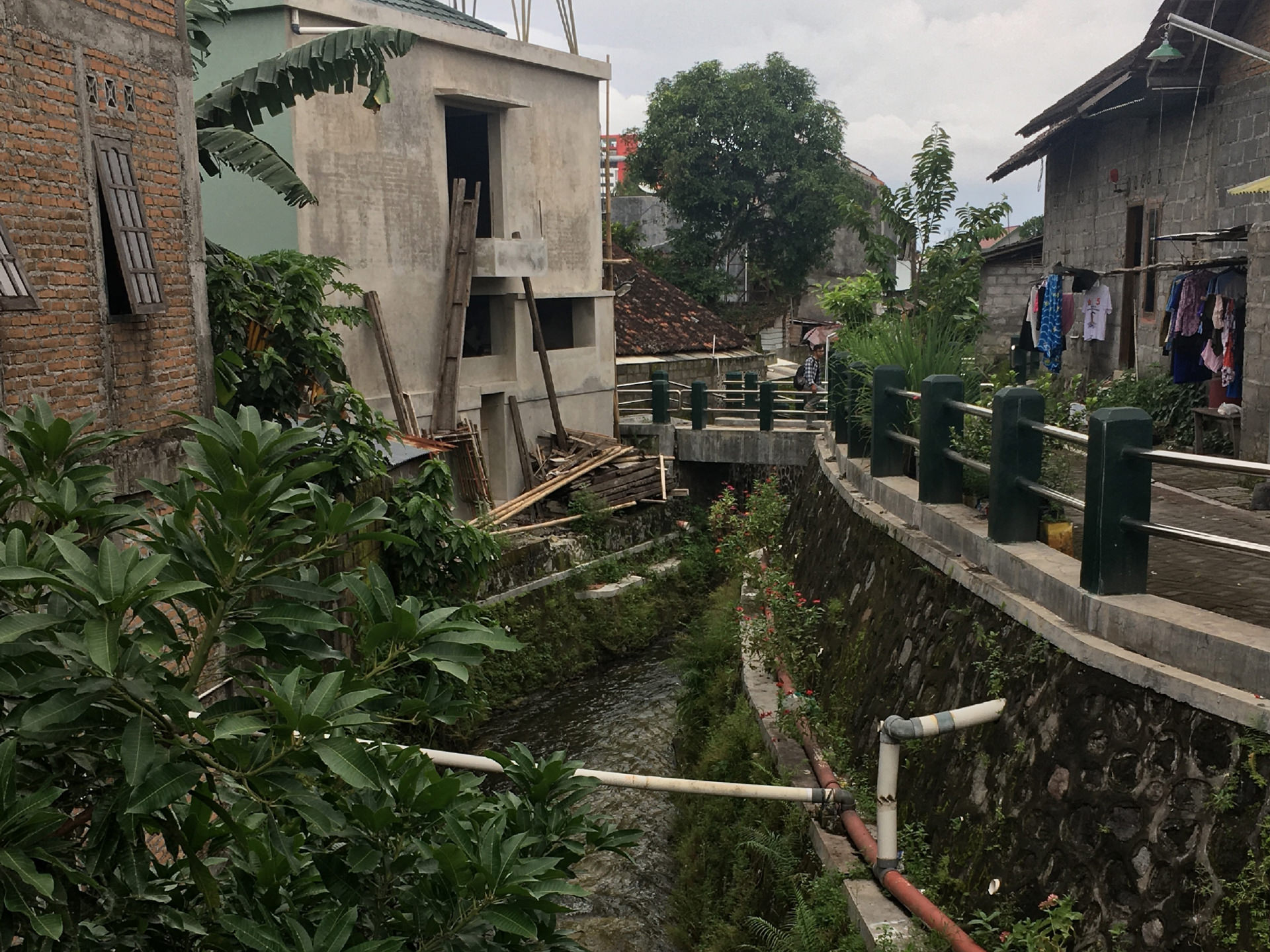
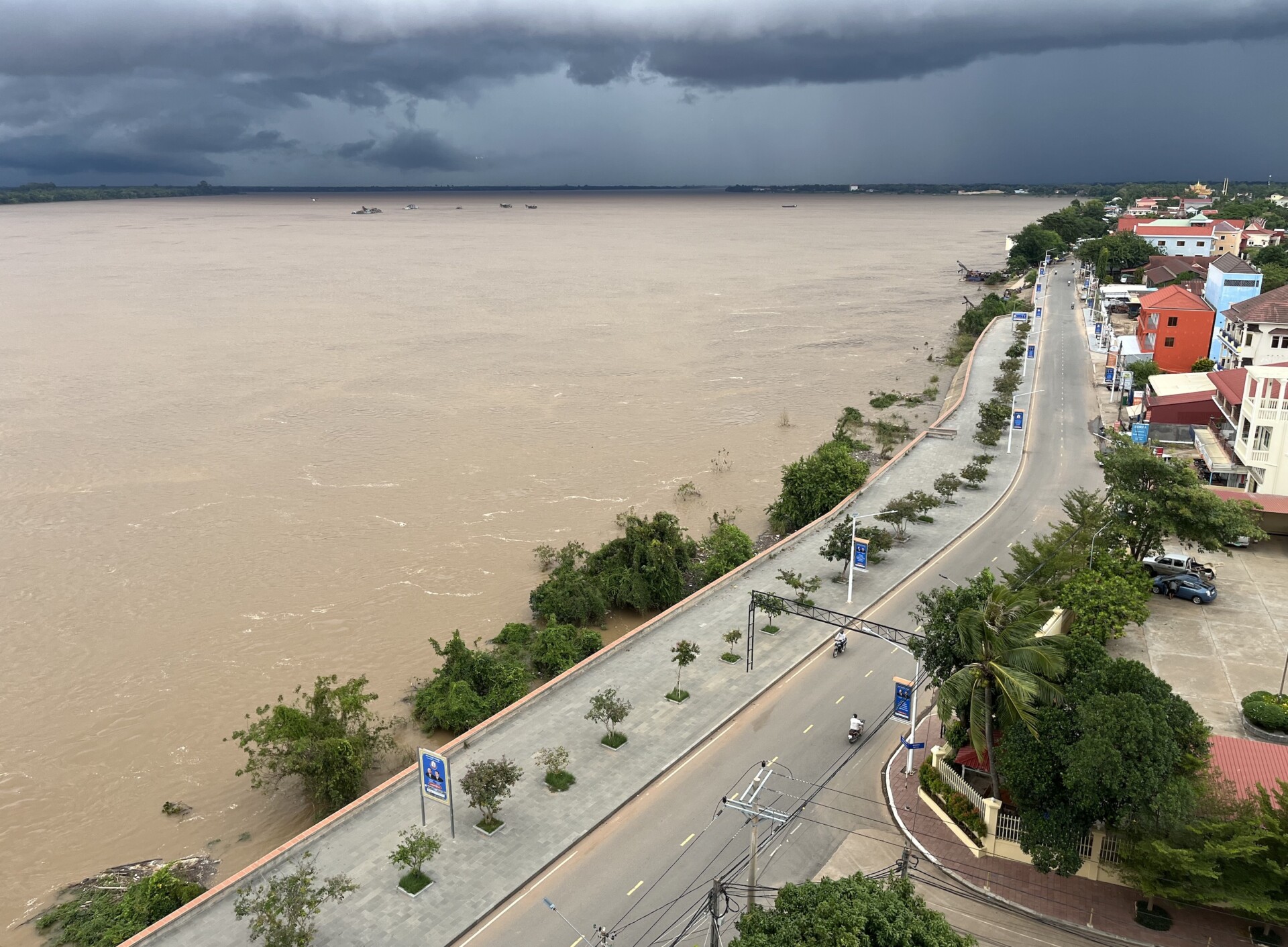
The project focuses on the pilot cities of Kratie, Sleman, and Sam Neua, which are representative of Southeast Asian urban areas with populations of up to three million inhabitants. In Kratie, the conversion of peri-urban wetlands into residential areas has increased vulnerability to flooding. Sleman is characterized by rapid urbanization and growing water stress, while in Sam Neua changing land-use patterns have heightened the risk of severe flooding.
During the implementation phase (06/2025–05/2027), the Province and Municipality of Kratie in Cambodia will be supported in establishing a model for the sustainable management of urban wetlands as part of local climate adaptation strategies. In Sleman, participatory approaches to water-sensitive planning will be permanently integrated into cooperative structures involving planning agencies, local government, universities, and civil society organizations. In Lao PDR, the project supports the national urban development planning authority in integrating the instruments developed in Sam Neua into national guidelines for climate-resilient and water-sensitive urban development.
Through these activities, the project creates the conditions for the long-term institutional anchoring and regional dissemination of the developed instruments across Southeast Asia. Strategic capacity building at municipal, provincial, and national levels will ensure sustainable impact and facilitate the transfer of the project’s approaches to other cities in the region.
e and limited financial and institutional capacities, classical models of urban planning and the development of water infrastructure are reaching their limits. Gaps in the supply of water-related municipal services of general interest, vulnerabilities in extreme weather events and the overuse of natural resources are becoming increasingly apparent. There is a need for the integrated development of blue, green and grey infrastructures, which are polycentrically combined in a situation-appropriate and site-specific manner, especially with regard to their sustainable management. Therefore »water« should be anchored across sectors as a cross-cutting issue of urban development planning, especially in its multiple governance dimensions.
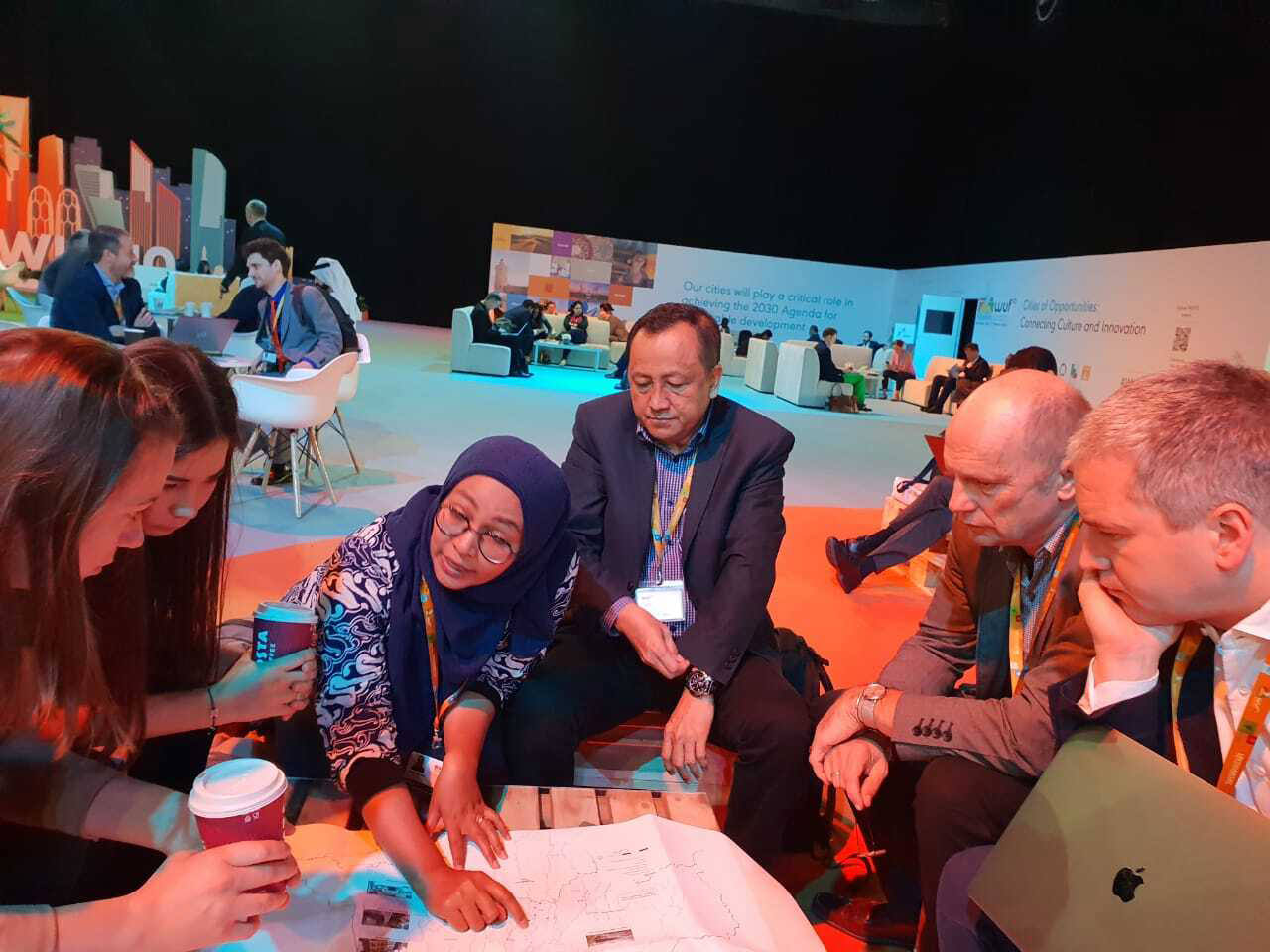
Research in Action
polyurbwaters-1
polyurbwaters-2
polyurbwaters-3
polyurbwaters-4
polyurbwaters-5
PolyUrbanWaters_Photo_2026_05_Bildschirmfoto_1
PolyUrbanWaters_Photo_2026_05_Bildschirmfoto_2
PolyUrbanWaters_Photo_2026_05_Bildschirmfoto_3
Research and Development phase
During the research and development phase (3/2021–5/2025), PolyUrbanWaters developed practice-oriented tools together with local stakeholders to systematically assess water-related challenges as well as social, economic, and environmental conditions. The objective was to establish a sound basis for water-sensitive and climate-resilient urban development in Southeast Asia.
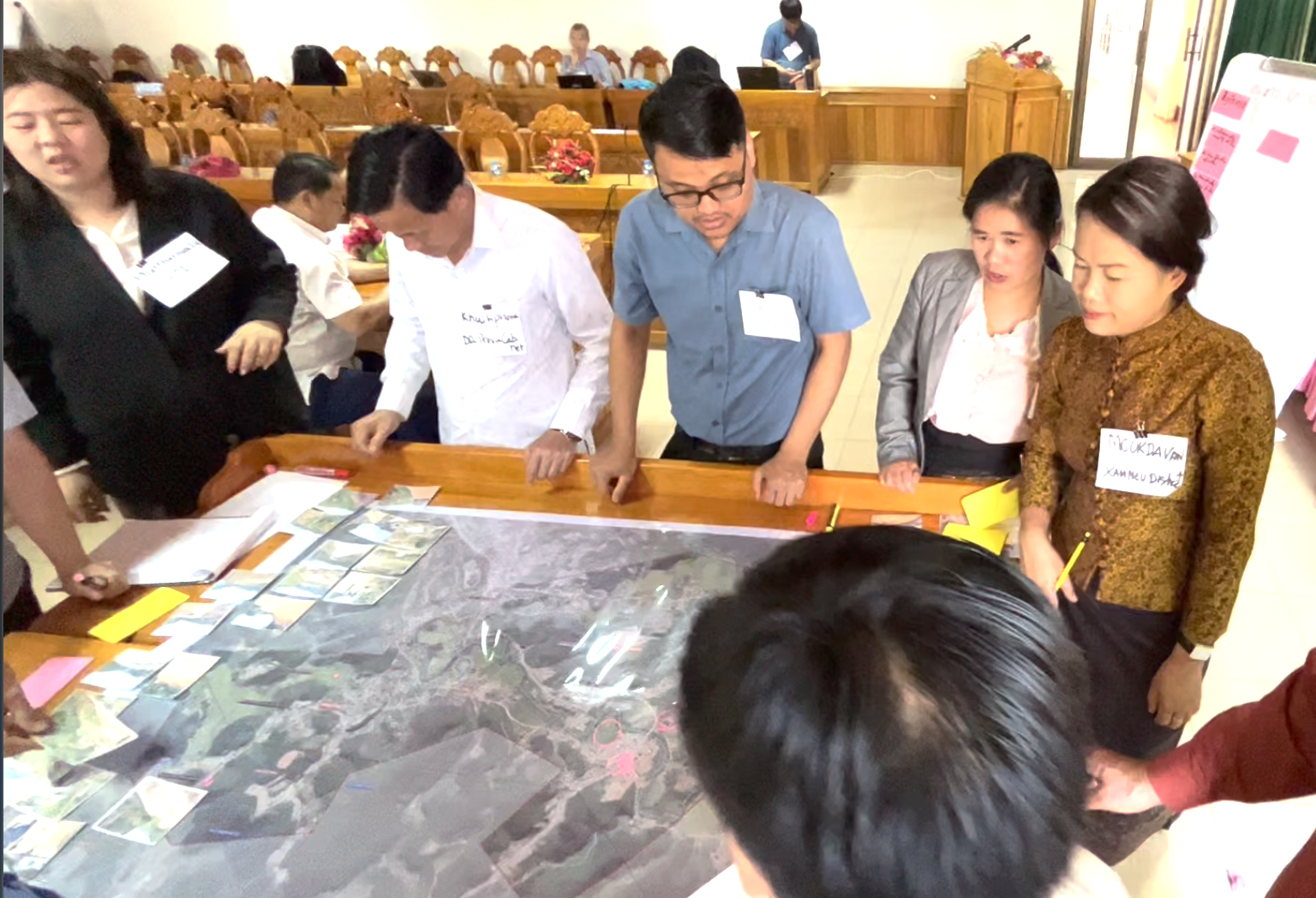
Building on this diagnostic work, development scenarios were created to contrast “business-as-usual” approaches with alternative pathways for water-sensitive urban development. Through participatory processes, tailor-made strategies were designed that reflect local needs, priorities, and institutional capacities. These strategies were translated into concrete short-, medium-, and long-term actions for urban development planning. The instruments developed within the project support both integrated transformation processes and targeted applications in areas such as climate adaptation, water security, wastewater management, and green space planning.
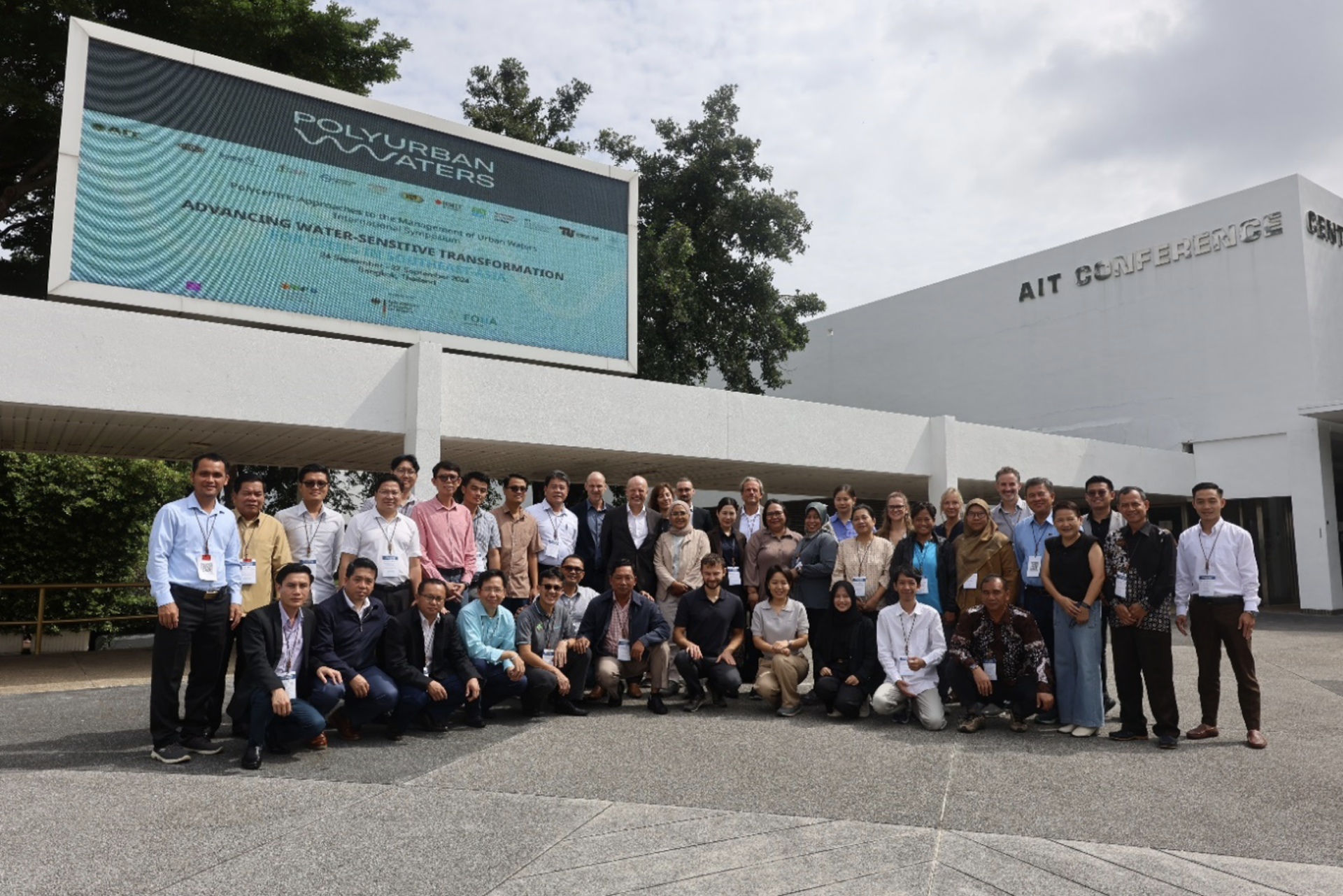
The practical relevance of the PUW approaches has been confirmed by public authorities and local governments in Cambodia, Indonesia, and Lao PDR. Stakeholders particularly valued the exchange of practical experience and knowledge between Southeast Asia and Germany, as well as the transferability of international examples to local contexts. Experiences such as the causes of the Ahr Valley flood disaster in Germany and approaches to sponge city development in Hamburg and Bremen provided important impulses for local transformation strategies.
In Kratie, an urban wetland development plan for 2024–2035 was elaborated and recognized by the provincial government as a strategic contribution to sustainable urban development and climate adaptation. In Sleman, a multi-layered approach to water-sensitive community development was successfully piloted. In Sam Neua, the provincial government declared the proposed water-sensitive urban development options a key component of its vision for a “green, clean, and beautiful town“.
German Partners
Asian Partners
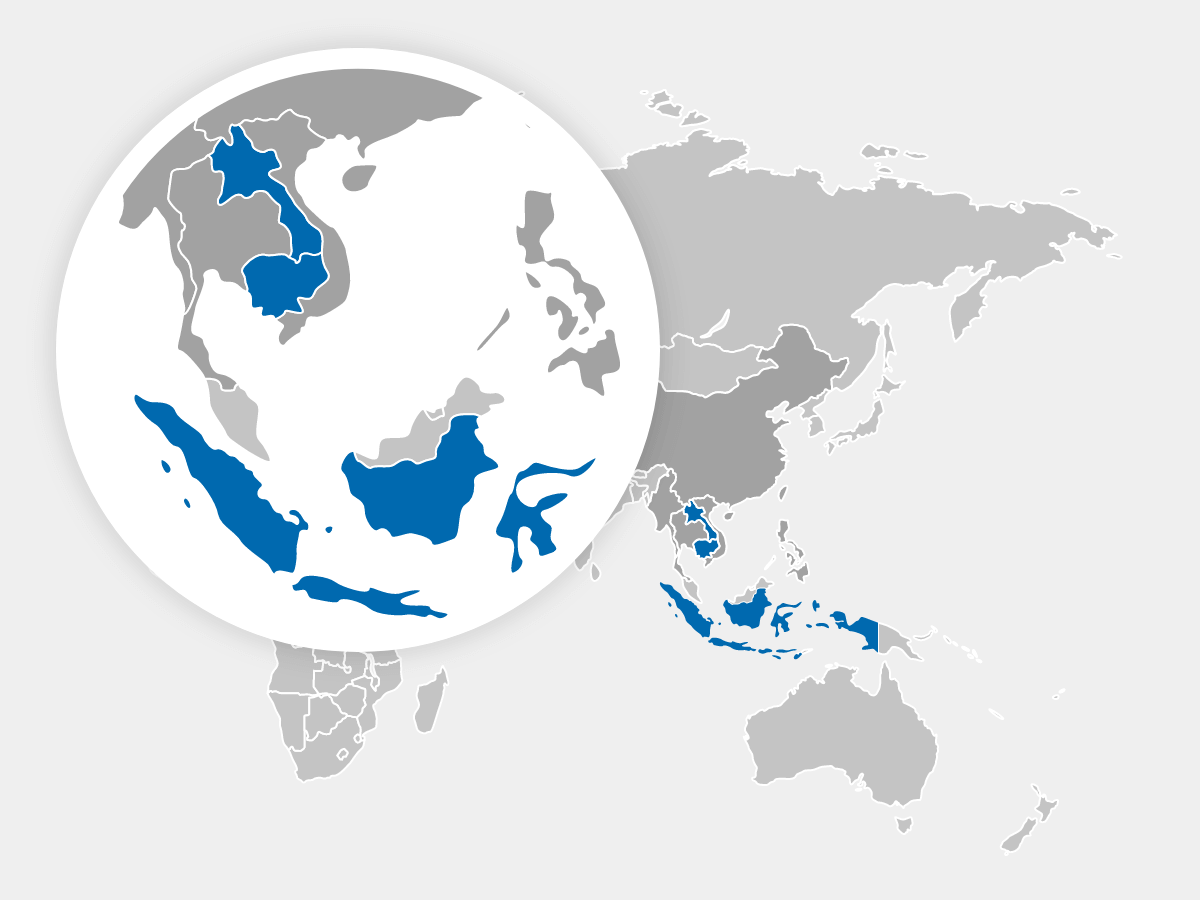
- Asian Institute of Technology, Thailand
- AKSANSI, Yogyakarta, Indonesien
- Cambodian Institute for Urban Studies
- Environmental Sanitation Cambodia
- Gadjah Mada University - Faculty of Architecture and Urban Planning, Department of Urban Planning und Faculty of Geography
- Kota Kita: A City for All, Solo, Indonesien
- Vietnam Academy for Water Resources
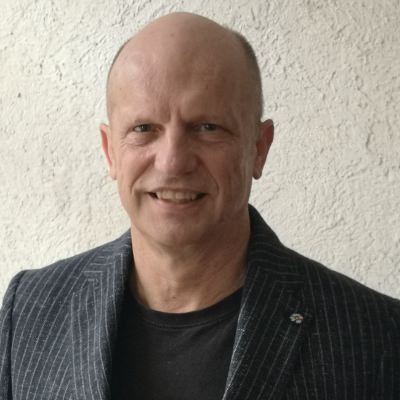
Dr. Bernd Gutterer
bernd-gutterer-polyurbanwater
©PolyUrbanWaters
The cities of Southeast Asia have developed remarkably in recent decades. Along with the dynamic population growth and the economic growth of the region, citizens in many places have been given access to infrastructure and water-related services of general interest. However, the challenges of developing sustainable and livable cities are all too evident. The project concept was jointly developed based on the experiences and cooperation interest of the Southeast Asian partners and signifies the project’s cooperation potential.
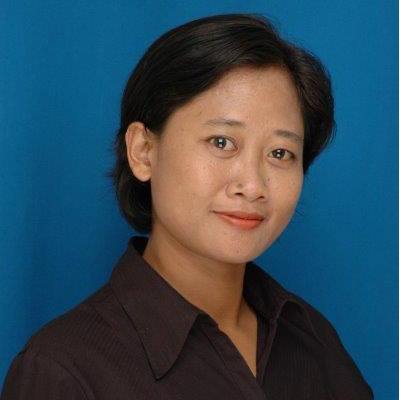
Prasetyastuti Puspowardoyo
prasetyastuti-puspowardoyo-polyurbwater
©PolyUrbanWaters
AKSANSI takes part in PUW initiatives because AKSANSI believes that only an integrated approach can solve water problems in terms of quality and quantity. Mainly working on ground water protection according to the DEWATS approach, AKSANSI realized that wastewater management plays an important role in a closed water cycle. The integrated approach envisaged in PUW does not only involve communities as beneficiaries but also as actors. Thus, each water and sanitation problem is addressed and solved by different actors without any overlap.
These news might also interest you
Vision Building process for a water sensitive Sam Neua/Laos initiated

As outcome of the Base Line Assessment and its strategic recommendation the local and provincial government in Sam Neua requested…
Research Update 7: Start of Data Collection for Baseline Studies in Sam Neua and Sleman

Concerted primary and secondary data collection activities for »Water in the City« baseline studies are now well underway in Sam…
Research Update 14 – Research and Planning in Sam Neua

The PolyUrbanWaters research team with members from Laos, Thailand, Cambodia and Germany conducted extensive research in Sam Neua with the…
Research Update 13 – Effective Water Services by Water Operators as Key for SDG-oriented Urban Transformation
The analyses carried out as part of the PolyUrbanWater’s baseline assessment in the urban area of Sahirajo in Sleman/Indonesia show…
Research Update 12 – The Significance of Paddy Fields for Climate Change Adaptation
The baseline analyses currently being carried out in PolyUrbanWaters’ partner cities indicate that issues and challenges for sustainable green infrastructure…
Research Update 11 – Financing and Maintaining Green Infrastructure in New Urban Development Areas
PolyUrbanWaters reviews the extent to which green infrastructure developments can be made sustainable in its partner cities. In the course…
Research Update 10 – Valorisation of Peri-Urban Wetlands as Strategic Components of Resilience to Climate Change
In March 2022, Polyurbanwaters’ international teams were able to conduct on-site analyses in Kratie/Cambodia again for the first time. Among…
Publication of Baseline Studies for Partner Cities of PolyUrbanWaters
After two years of intensive cooperation between the partner cities Kratié/Cambodia, Sam Neua, Laos and Sariharjo, Sleman/Indonesia and the PolyUrbanWaters-Network the baseline studies could now…
Project Update 16 – Integrated Stormwater Management: Learnings from Hamburg/Germany
Linnea Foelster Hamburg Wasser/German Water Partnership shares with a national experts experiences of integrated stormwater management in context of water…
Project Update 15 – Conceptual and analytical approach for the polycentric management of urban waters sucessfully tested
The comprehensive baseline assessments for the partner cities Sam Neua/Laos and Sarihajo/Sleman/Indonesia are now available (both documents will be accessible…

Project coordination
bernd-gutterer-polyurbanwater
©PolyUrbanWaters