



Build4People


Implementation Phase
Enhancing Urban of Life through Sustainable Urban Transformation in Cambodia
How can sustainable urban development be promoted, and the quality of life increased in an emerging country like Cambodia using a people-centered approach? This is investigated by the multidisciplinary collaborative project “Build4People”.
The Build4People project aims to support the transformation of Phnom Penh, Cambodia’s capital, into a sustainable city offering a high quality of life. Particular focus is placed on the construction and real estate sectors.
It has recently become more and more apparent that sustainable urban transformation is by no means just a technological challenge, but above all also a social, cultural, economic and political challenge. At the same time, it is becoming increasingly clear that science can only work out implementation-oriented solutions for sustainable urban development together in a dialogue with urban society.
Based on this transdisciplinary understanding of the problem, the Build4People project tries to integrate various disciplines such as environmental psychology, civil engineering, urban planning, architecture, urban climatology, remote sensing and human geography in a cross-cutting manner using common participatory formats such as urban living labs or incubators for sustainable business models with local stakeholders from politics, business and civil society to jointly develop practical knowledge and interventions, which should ultimately lead to the implementation of inclusive sustainable urban development processes.
The central focus of the research is urban quality of life. This concept is jointly defined, examined and modelled. The aim is to gradually align the subjective perceptions of city dwellers with objective, measurable criteria of urban sustainability.
During the implementation phase (2025–2027), the Build4People project will apply the Twin Transformation approach to make targeted use of digital technologies to achieve sustainability goals. Specifically, the potential of digitalisation will be harnessed to promote participatory, inclusive and sustainable urban development by supporting the city of Phnom Penh (PPCH) in linking its existing green and smart city strategies.
In this context, Build4People will build on the most successful transdisciplinary transformation format from the previous research and development phase (R&D phase) and promote the digital application of the so-called B4P Transformation Toolbox. A toolbox prototype was already developed during the R&D phase, which will be further developed in the implementation phase as a comprehensive digital planning tool and as an interactive online information, citizen participation, technology and learning platform. The aim is to enable evidence-based and data-driven decisions for greater urban sustainability and improved quality of life.
Once the project has concluded, the B4P Transformation Toolbox will be taken over by the city administration’s newly founded Phnom Penh Smart City Hub. During the implementation phase, CityLAB Berlin, under the direction of Build4People, will provide advisory support.
Another overarching goal of the implementation phase is to evaluate the use of B4P products as digital participatory tools for an inclusive, sustainability-oriented planning process with the aim of optimising ongoing activities, promoting transferability to other cities and ultimately achieving sustainable transformative learning effects.
Research in Action
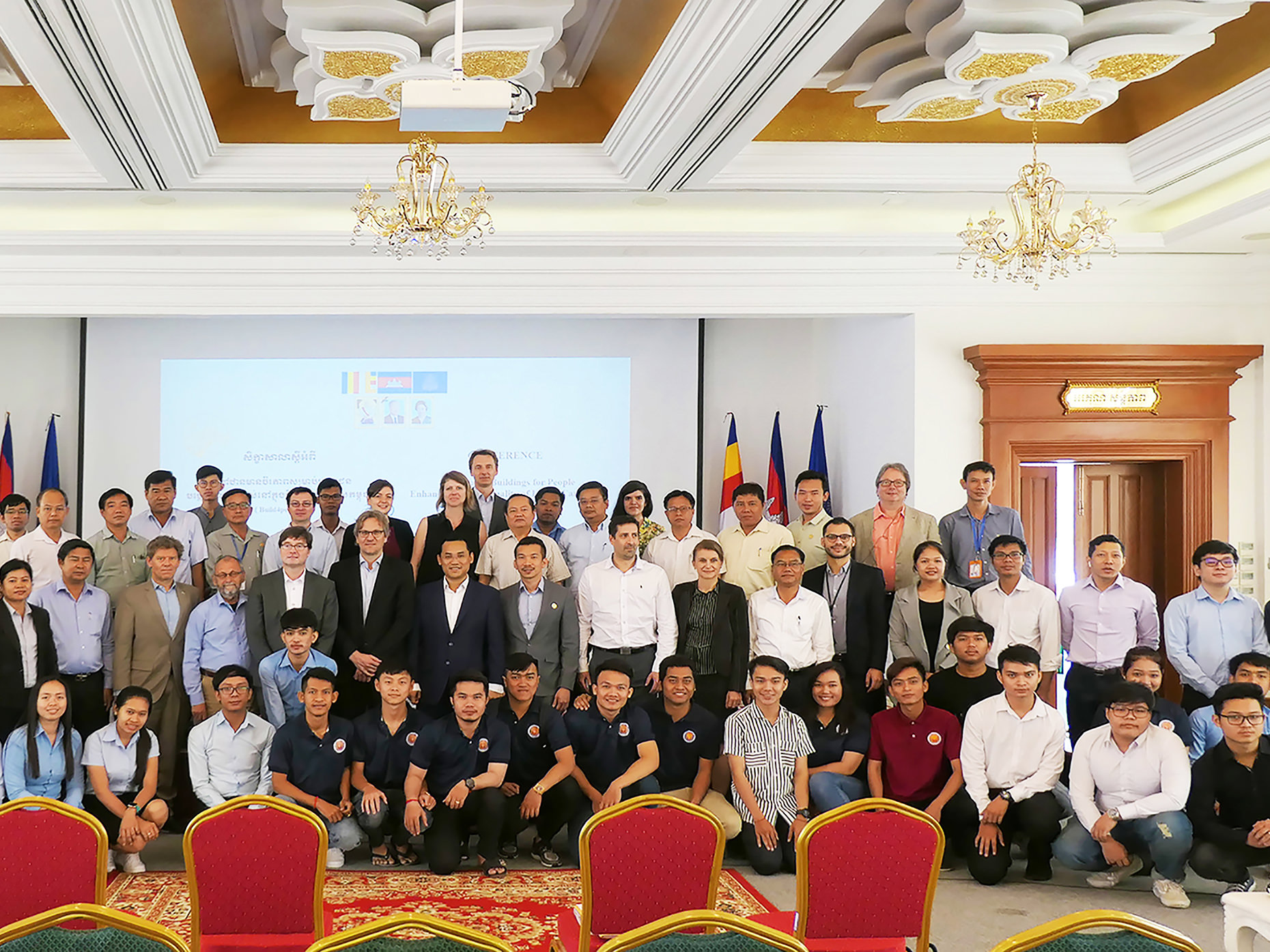
build4people-slide-show-01
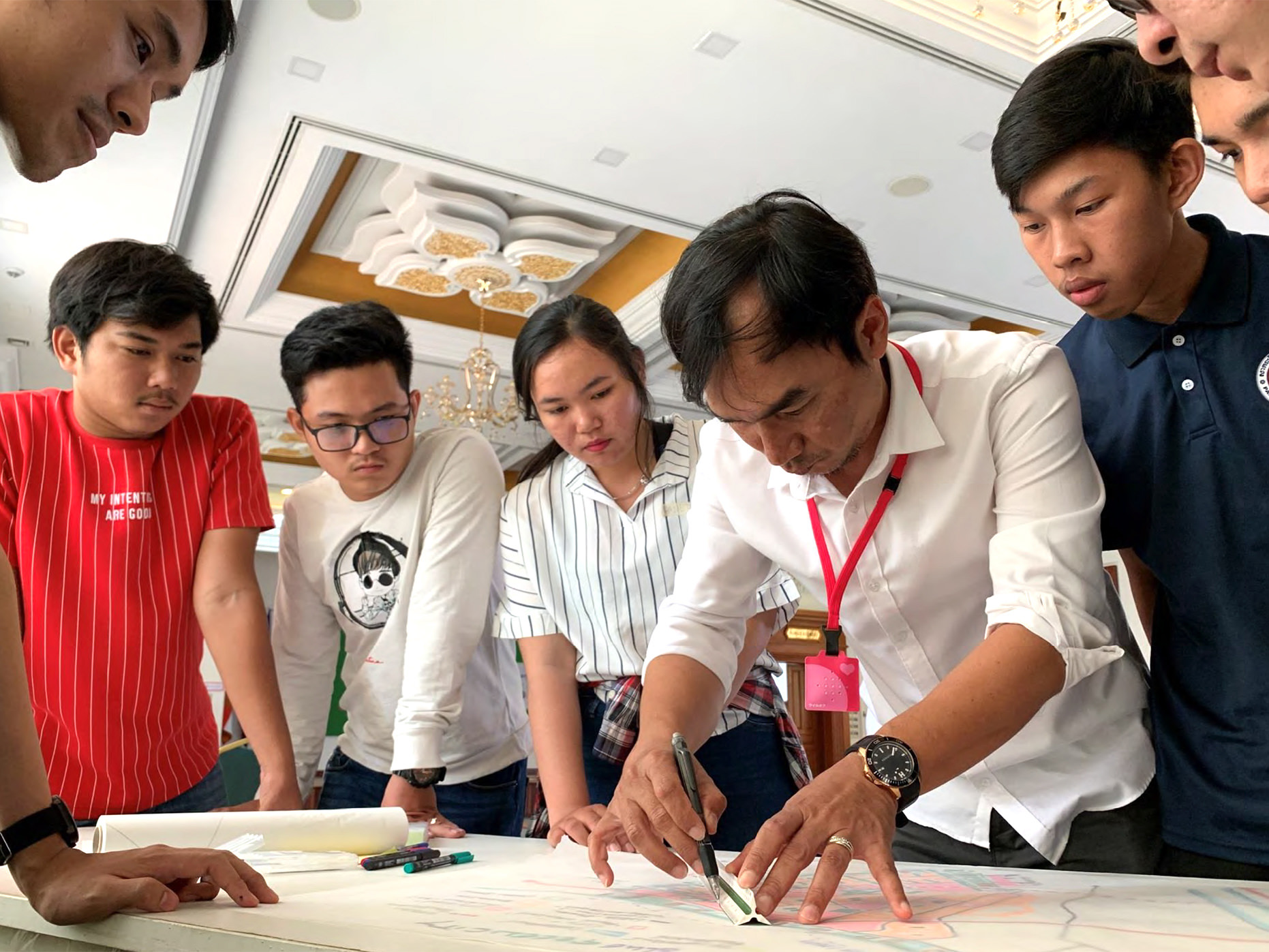
build4people-slide-show-02
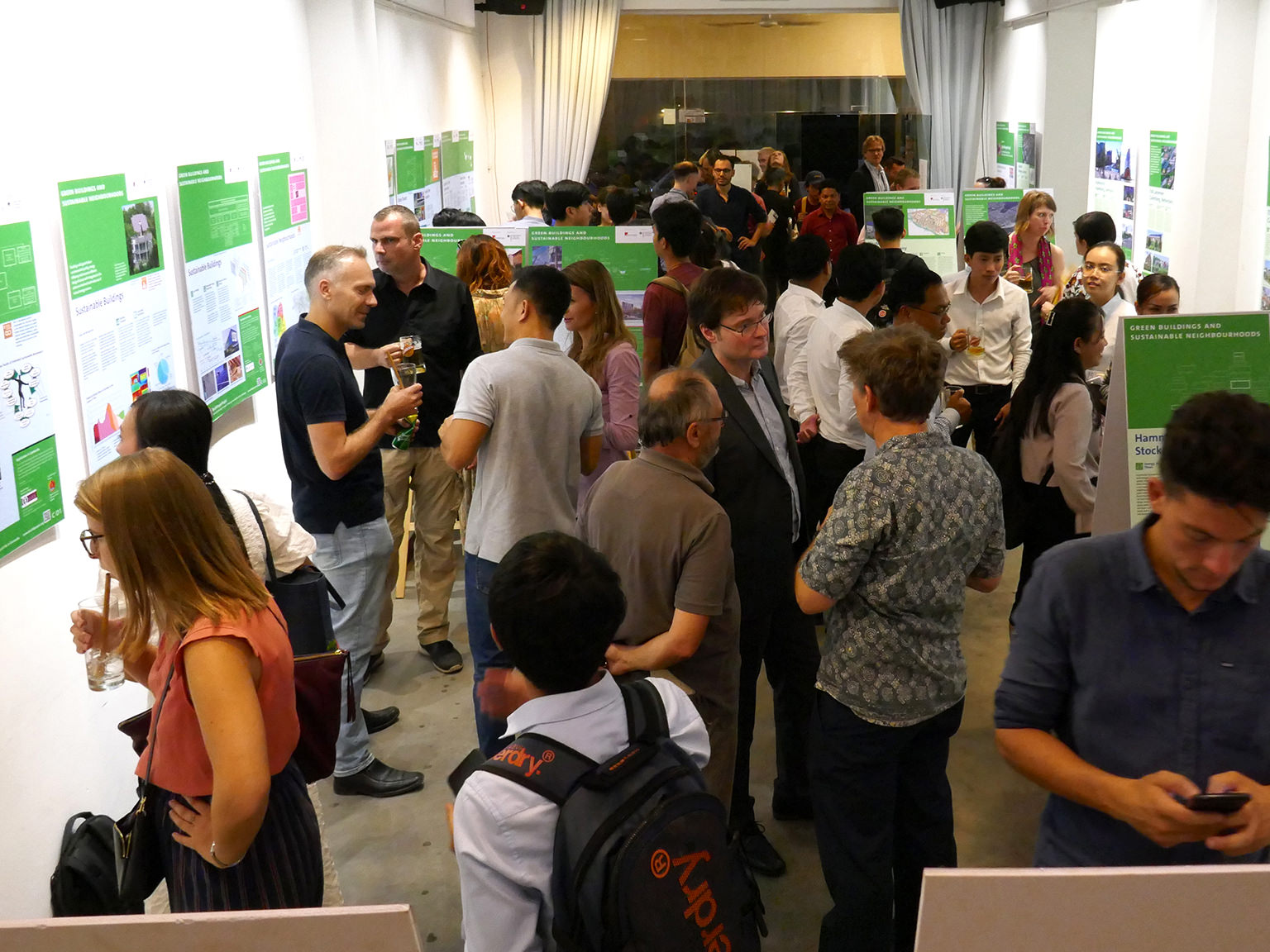
build4people-slide-show-03
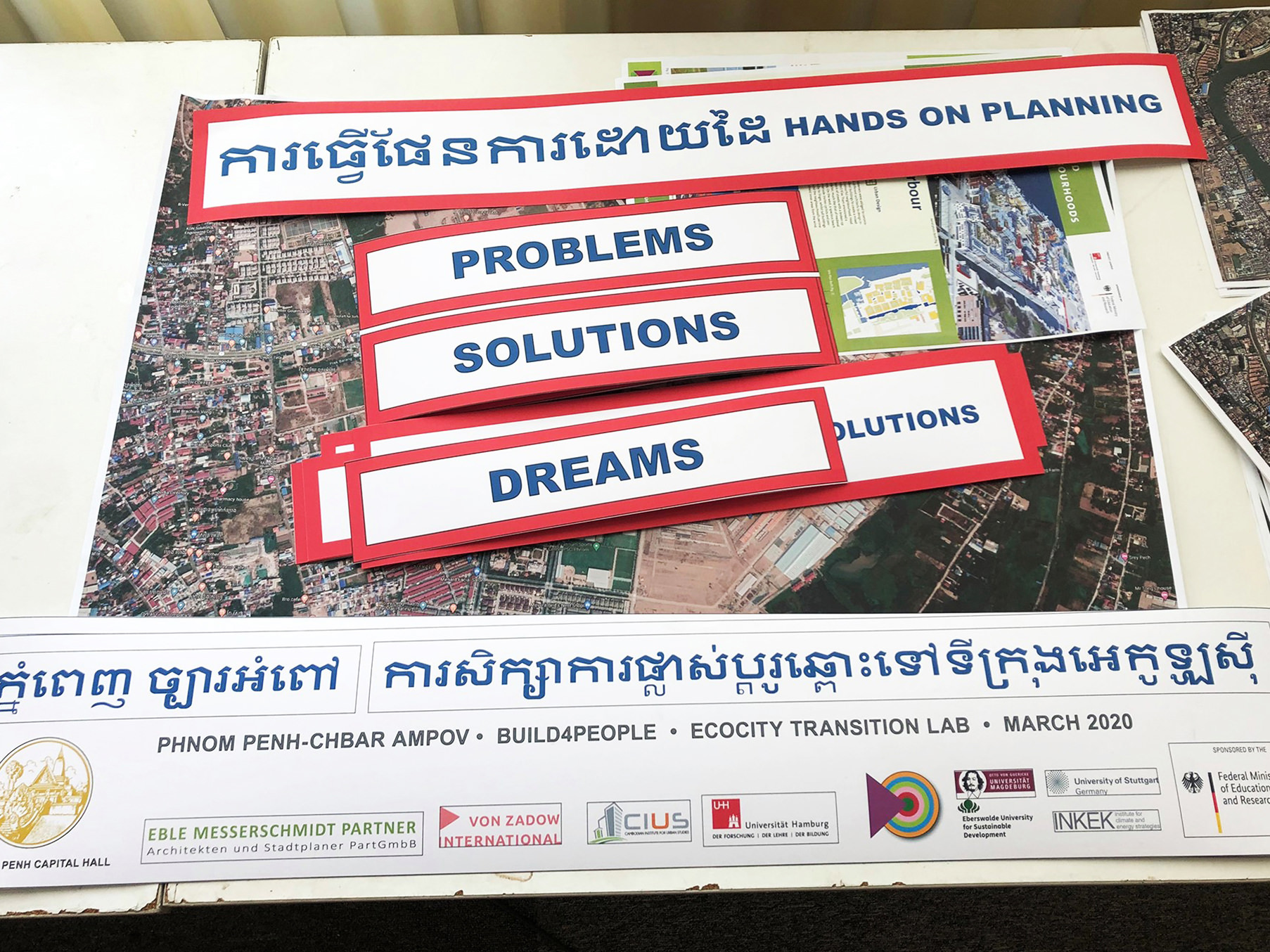
build4people-slide-show-04
Research and Development Phase
Based on a transdisciplinary research design, the Build4People project establishes participatory formats such as living labs or social innovation platforms. In this way, local actors from politics, business and civil society generate know-how together with researchers, which can promote a sustainable urban transformation. Experts from environmental psychology, civil engineering, urban planning, architecture, urban climatology, remote sensing and human geography are involved. Collaborative research methods such as living labs (»Ecocity Transition Lab«) and strategic niche management approaches (»Incubator for Sustainable Building«) are applied. In the »Arena for Sustainable Construction«, local sustainability pioneers will develop joint visions and strategies and prepare projects for subsequent implementation. In a final step, the application of the empirical results in action research processes should also lead to an integration of the knowledge created and a subsequent expansion of the theory.
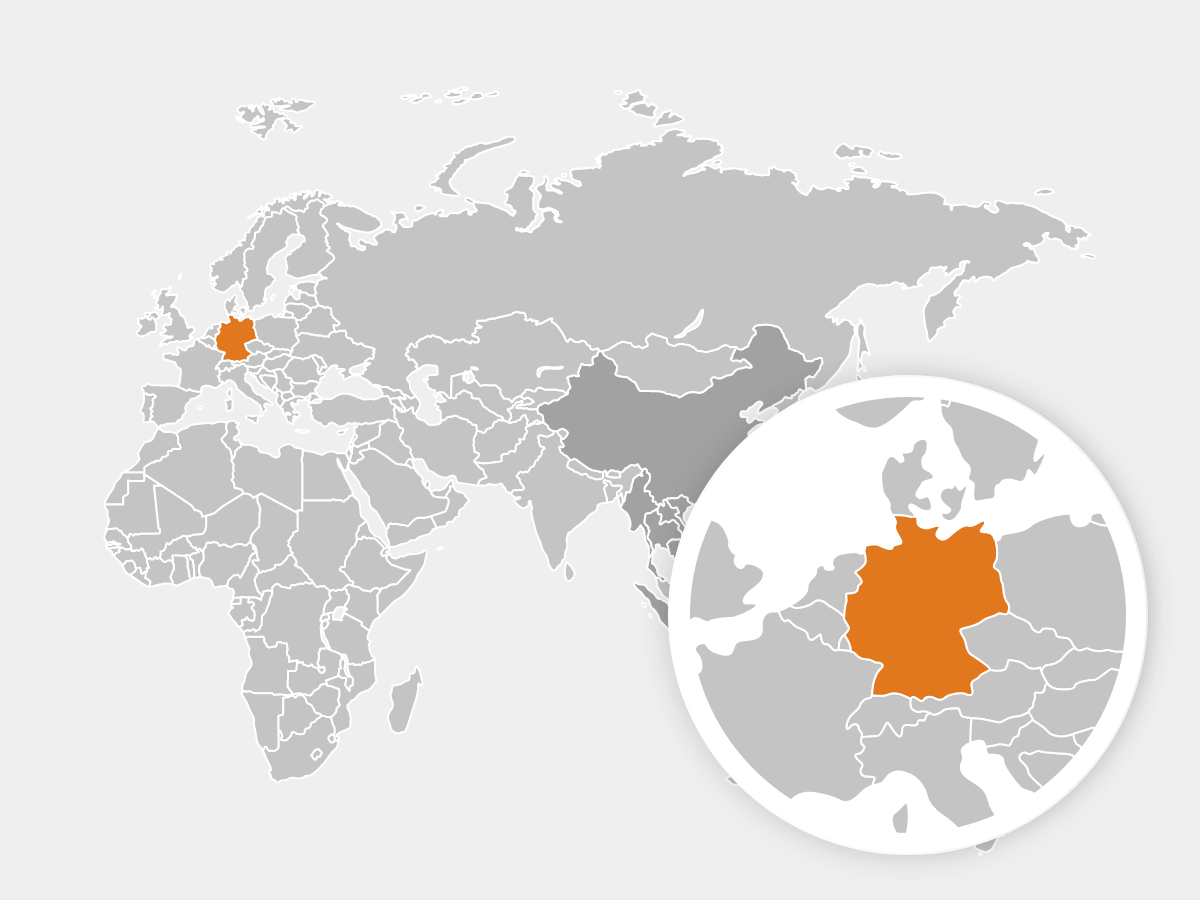
German Partners
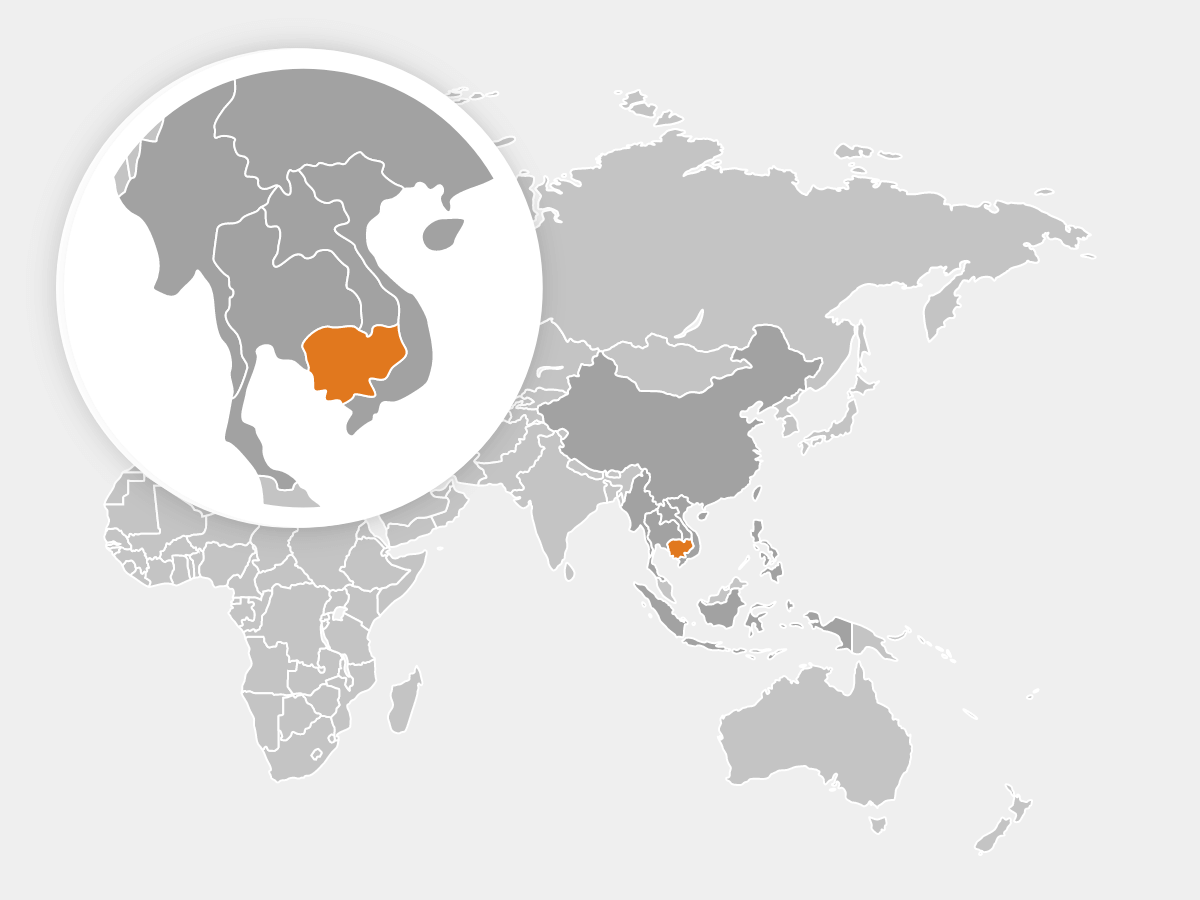
Cambodian Partners
- Royal University of Phnom Penh
- Institute of Technology of Cambodia
- Paññāsāstra University of Cambodia
- Royal University of Agriculture
- Cambodian Institute of Urban Studies
- Phnom Penh Capital Hall
- European Chamber of Commerce in Cambodia
- Ministry of Environment
- Center for Khmer Studies
- META-House Phnom Penh
- Impact Hub Phnom Penh
- Peng Huoth Group
- OCIC Group
- The Sustainable Mobility in Metropolitan Regions (SMMR) project, funded by GIZ
- Bophana Cultural Space and Resource Centre
- International Water Management Institute (Sri Lanka)
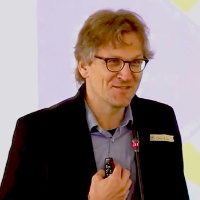
Dr. Michael Waibel
testimonial-build4people-waibel
©Build4People
More recently, it has become increasingly apparent that sustainable urban transformation is by no means only a technological challenge, but above all a social, cultural, economic and political one. At the same time, it is becoming increasingly clear that science can only work out solutions for sustainable urban development together with the urban society.
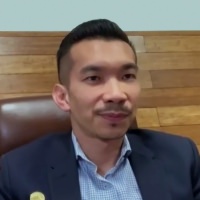
Vannak Seng
testimonial-build4people-seng
©Build4People
I am very excited to work with Build4People as it is really important for Phnom Penh. The main course of our urban planning work in the City Hall is how to improve the urban quality of life for the population in Phnom Penh. Against the background of a steadily growing population, finding comprehensive solutions to the problems that arise represents a major challenge.
These news might also interest you
Build4People Citizen Science App

Citizen Science is a free app for residents of Phnom Penh that allows them to rate their perceptions of urban…
Handbook for Green Housing and Healthy Living
The publication of the 2nd updated edition of the Handbook for Green Housing and Healthy Living was published through the…

Project coordination
testimonial-build4people-waibel
©Build4People