


GreenCityLabHuế


Implementation Phase
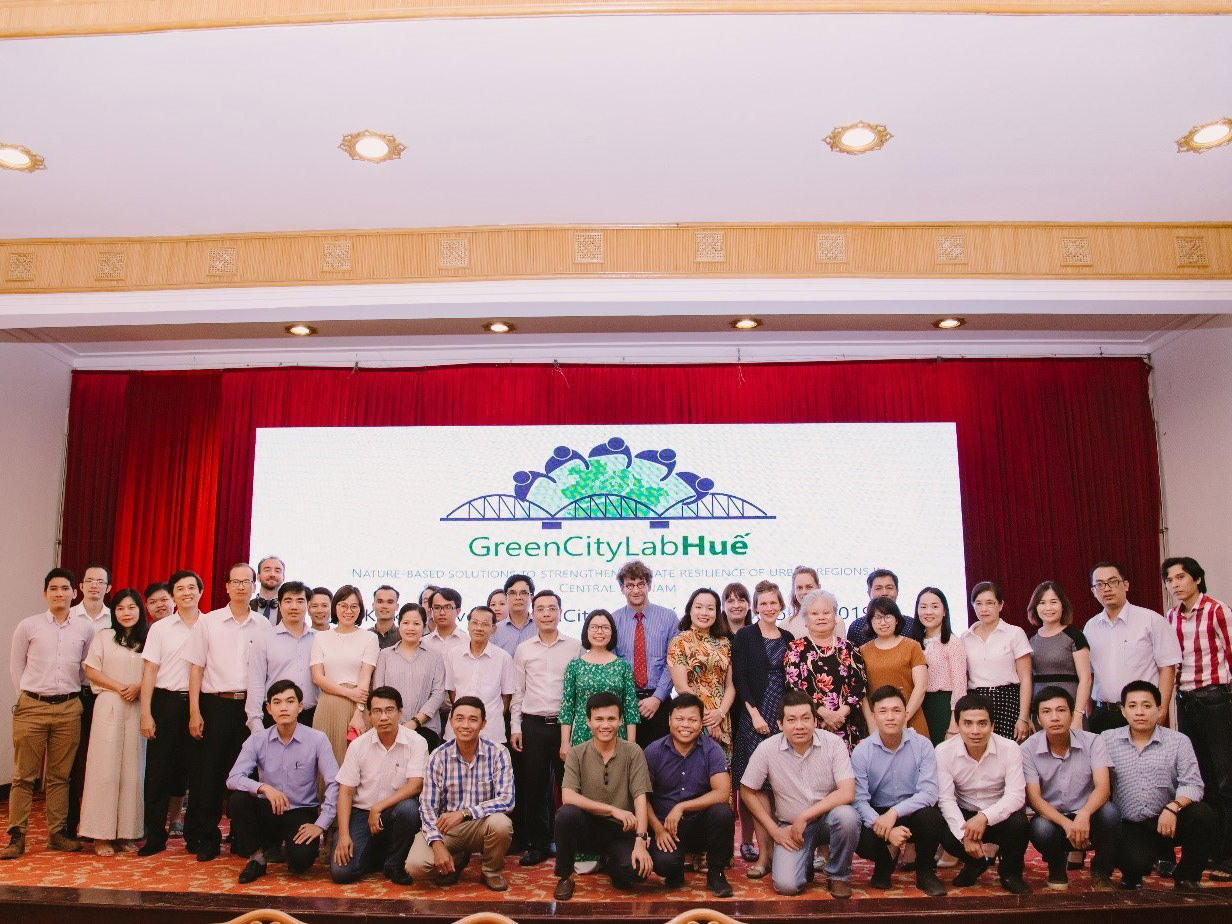
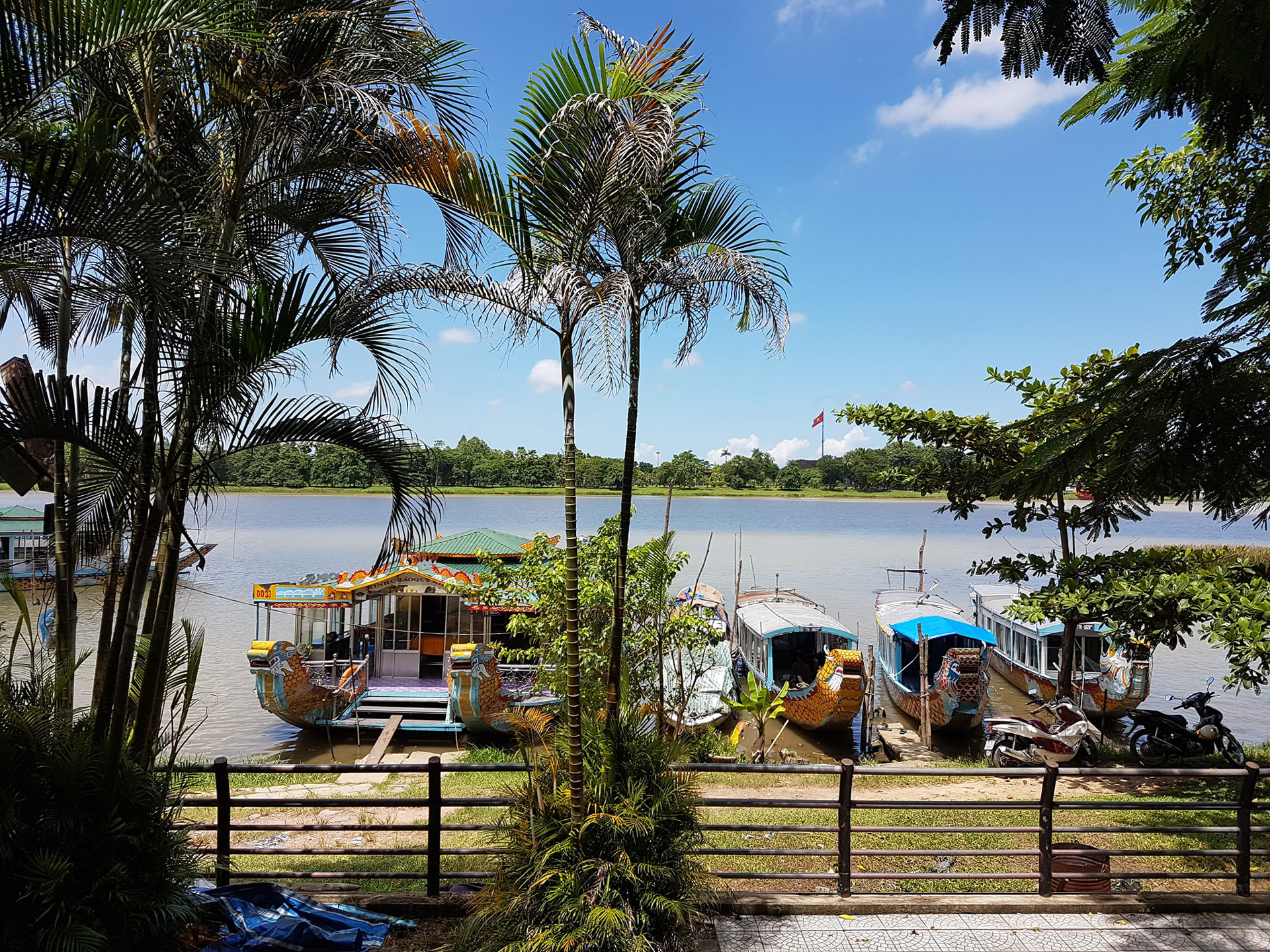
The goal of the GreenCityLabHuế project is to strengthen the climate resilience of the city of Huế through nature-based solutions (NBS), with a focus on heat adaptation and air quality improvement. To this end, the project is creating a multidisciplinary research and experimentation space to implement ideas and concepts for the restoration and expansion of green-blue infrastructure (GBI). GBI encompasses all natural elements related to plants and water, such as green spaces, parks, trees, and rivers. In collaboration with stakeholders from academia, politics, government, and civil society, the international project consortium generates shared knowledge on NBS for stakeholders and decision-makers, along with proposals for concrete measures to implement GBI.
By providing information and scenarios based on qualitative research, multi-layered GIS modeling, impact assessment, and the Urban Learning Lab approach, the project encourages stakeholders and decision-makers in Huế and other Vietnamese cities to incorporate the development of GBI into their planning processes. Opportunities for collaborative learning are created through knowledge transfer and the involvement of stakeholders and the public in the development of scenarios and planning processes. Additionally, capacities for collaborative design processes are built within government, academia, and the public sector.
The goal of the current implementation phase (2025–2027) is to collaboratively develop and implement NBS in the form of urban green infrastructure at two public sites, working with local stakeholders. This is intended to reduce urban heat stress, improve air quality, and increase recreational opportunities for the public. To provide scientific support for the implementation, the results of the NBS measures and the effectiveness of the participatory approach will be evaluated. Finally, the project will summarize and disseminate the findings to strengthen capacity building, support knowledge exchange, and promote integration into local governance in Vietnam.
Research in Action
greencitylabhue-1
greencitylabhue-2
greencitylabhue-3
Research and Development Phase
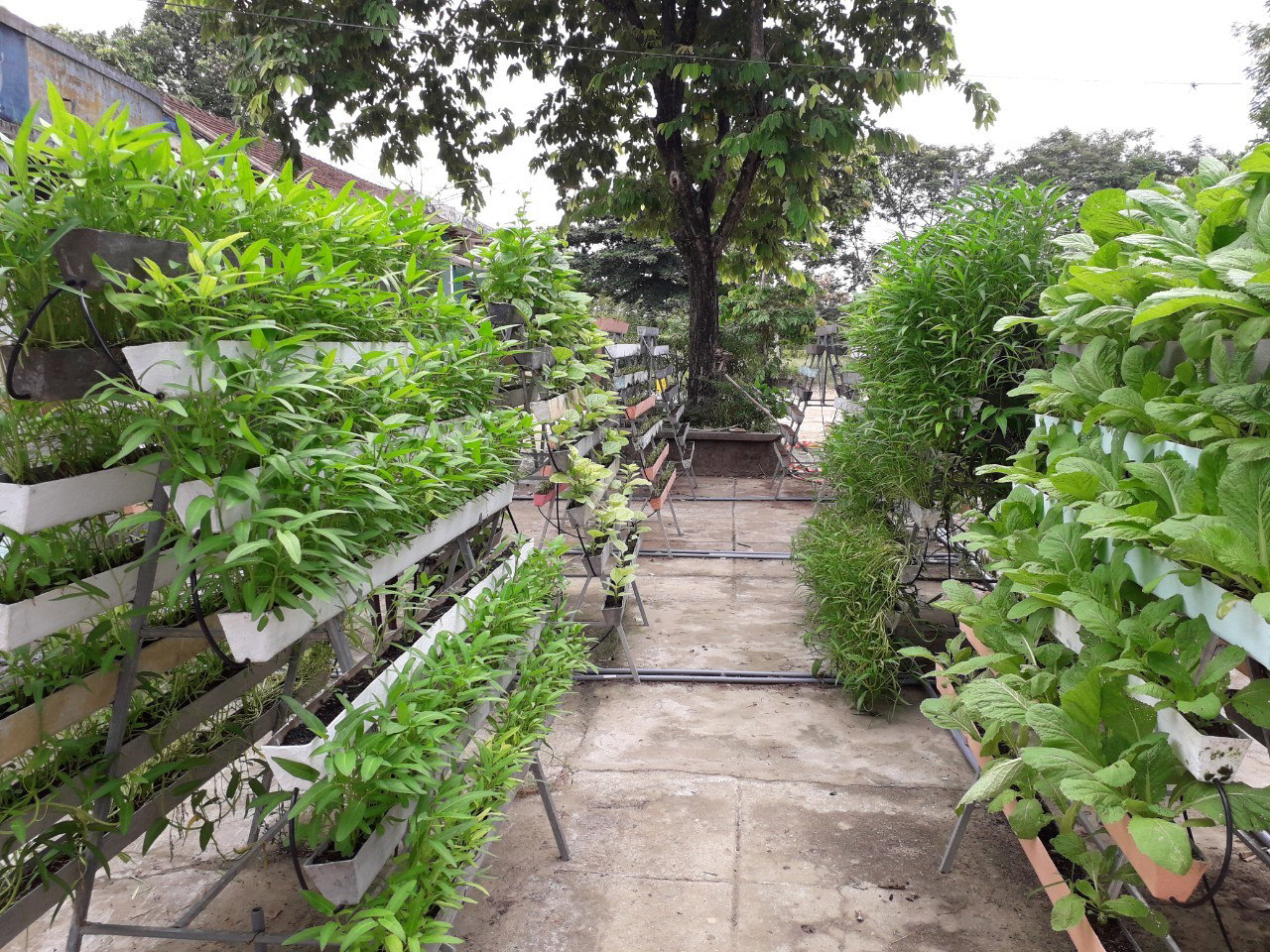
During the definition phase, the project developed a typology of GBI elements and, building on this, initial narratives and scenarios for potential GBI developments in Huế. During the research and development (R&D) phase, the focus was on revising the models for land-use changes, conducting an impact assessment, and implementing participatory co-design and co-learning processes, combined with practical examples of NBS. On this basis, the Green City Vision Huế was developed in collaboration with local stakeholders—an urban development strategy for GBI and NBS. Additionally, a Best Practice Handbook was created, providing policymakers, experts, and communities with a scientific foundation and practical tools for the design, implementation, and management of NBS and GBI. Another highlight was the climate-adapted redesign of three urban areas through NBS—including a schoolyard, a cultural center, and a brownfield site. The local population was involved in the planning and implementation by participating in public events and a design competition. In this way, the project empowered the population to actively participate in the climate-adapted design of their city.
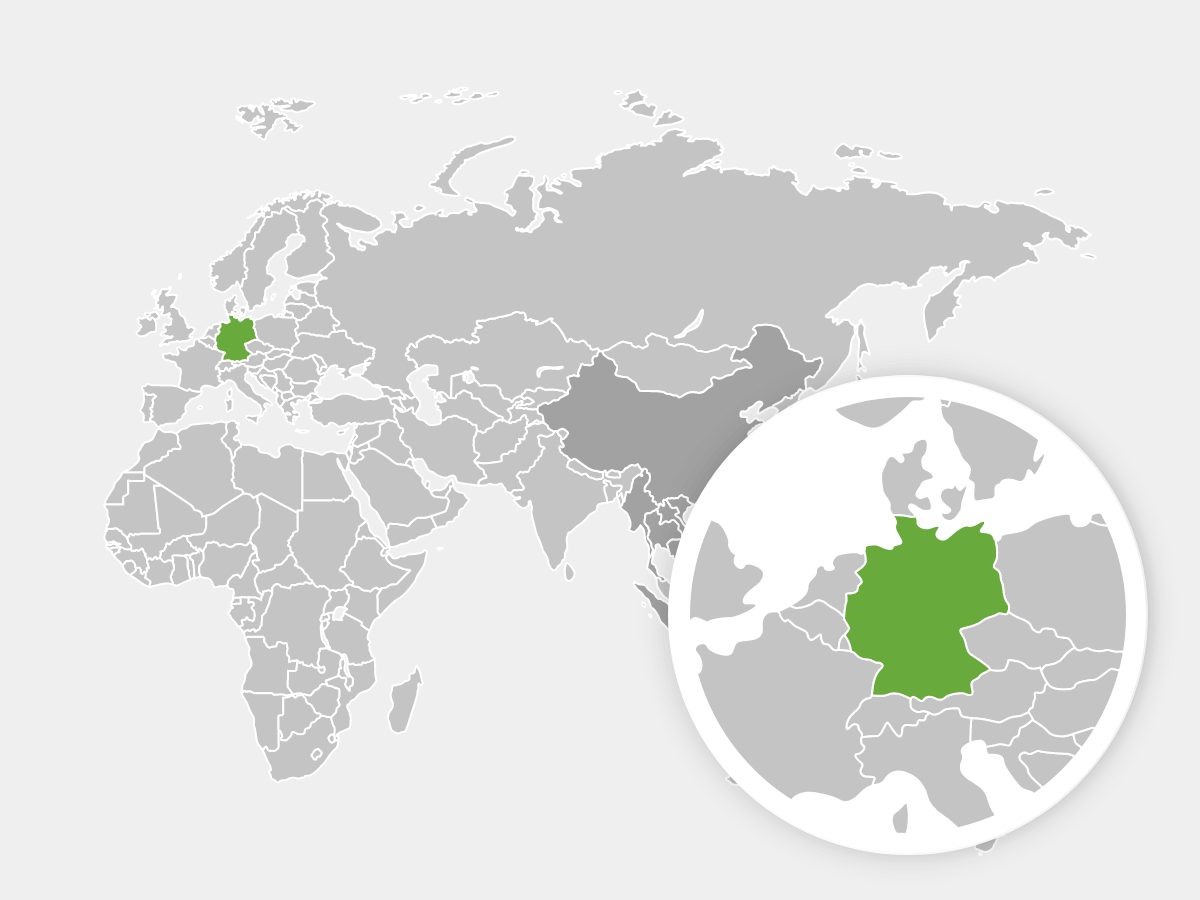
German Partners
Vietnamese Partners
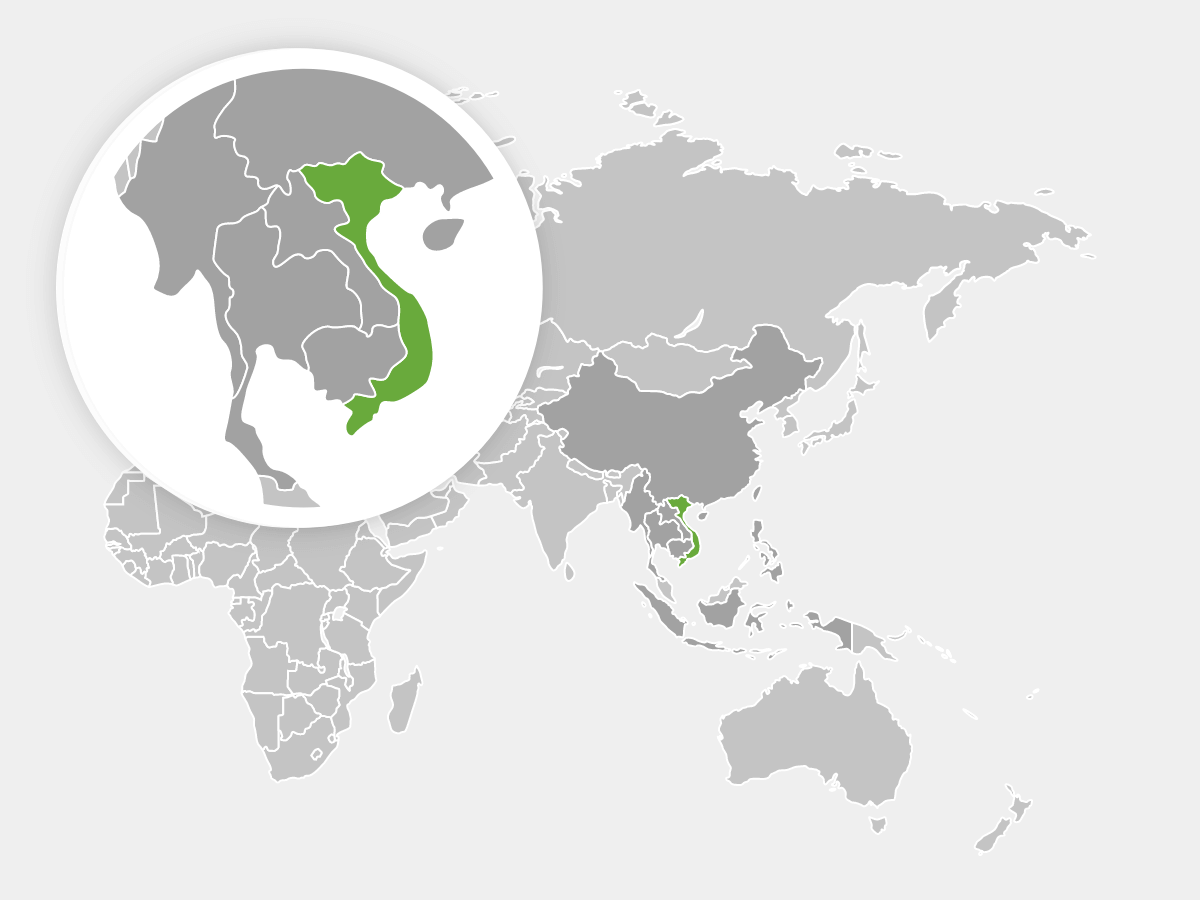
- Mientrung Institute for Scientific Research
- Thua Thien Hue Institute for Development Studies
- Huế University
- Thua Thien Hue Department of Planning and Investment
- Institute of Construction Planning
- Thua Thien Hue Department of Agriculture and Rural Development
- Environment Protection Agency
- Green Tree Company
- Hue Urban Environment and Pubic Works Joint Stock Company
- Hue Museum of Royal Antiquities
- Centre for Community Development and Social Work
- Kim Long Farmer Association
Prof. Dr. Dagmar Haase

testimonial-greencitylabhue-haase@2x
privat
In times of climate change, green-blue solutions are key for healthy cities, healthy for humans and other organisms counteracting heat waves or extreme floods. Developing land use alternatives actively including green-blue nature-based solutions such as in the Green City Lab Hue are corner stones for a participatory sustainable development, in the absolut last moment.
Hoang Thi Binh Minh
testimonial-greencitylabhue-binh-minh@2x
©MISR
The GreenCityLabHue Project brings knowledge on green and blue infrastructure and nature-based solutions to Hue and Vietnam. It contributes to the preservation and enhancement of the city’s specific characteristics as the ancient imperial capital of Vietnam with its unique heritage, culture, and ecology, embedded in a beautiful landscape. In particular, the project provides new approaches and international techniques to innovate and diversify the methods of urban planning in Hue to realize the people’s dream of living in a green and sustainable city that is resilient against the impacts of climate change.
These news might also interest you
Successful Closing of the GreenCityLabHue Research and Development Phase!
The GreenCityLabHue has reached an important milestone with the successful completion of its research and development phase. Over the course…
German-Vietnamese Science Day in Da Nang
From April 26 to 28, the “German-Vietnamese Science Day” organized by the German Federal Ministry of Education and Research (BMBF)…