



MYrisk


Implementation Phase
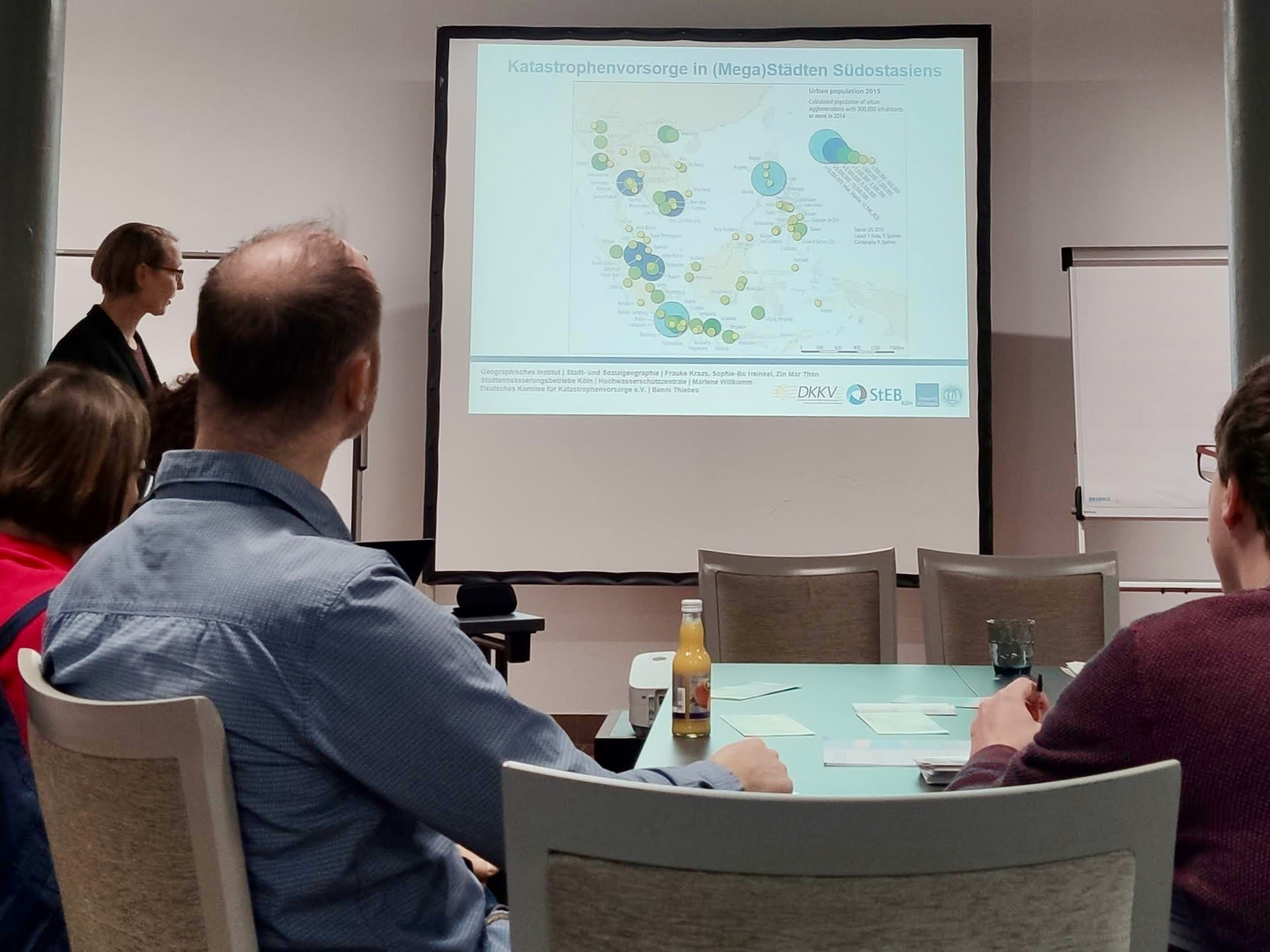
The current implementation phase focuses on putting the IMDRM framework into practice in Yangon and other cities in Myanmar across four key areas: (a) All relevant stakeholders are being familiarised with the framework and the process for implementing it, so that they can coordinate a cooperative response in the event of a disaster. (b) In the ‘classic’ disaster risk cycle, the focus is on risk awareness and preparedness; during the implementation phase, we are raising awareness, building capacity and conducting accompanying research among all stakeholders. This includes training, the development of teaching and learning materials, and the practical implementation of protection and evacuation plans. (c) The three spatial levels – local/urban, regional and national – are linked together to ideally implement a coherent spatial-social and spatial-institutional IDMDR strategy across the country. (d) Various dimensions and strategies for disaster risk reduction are combined into a complex interplay to strengthen urban resilience against multiple risks.
Research in Action
myrisk-1
Research & Development Phase
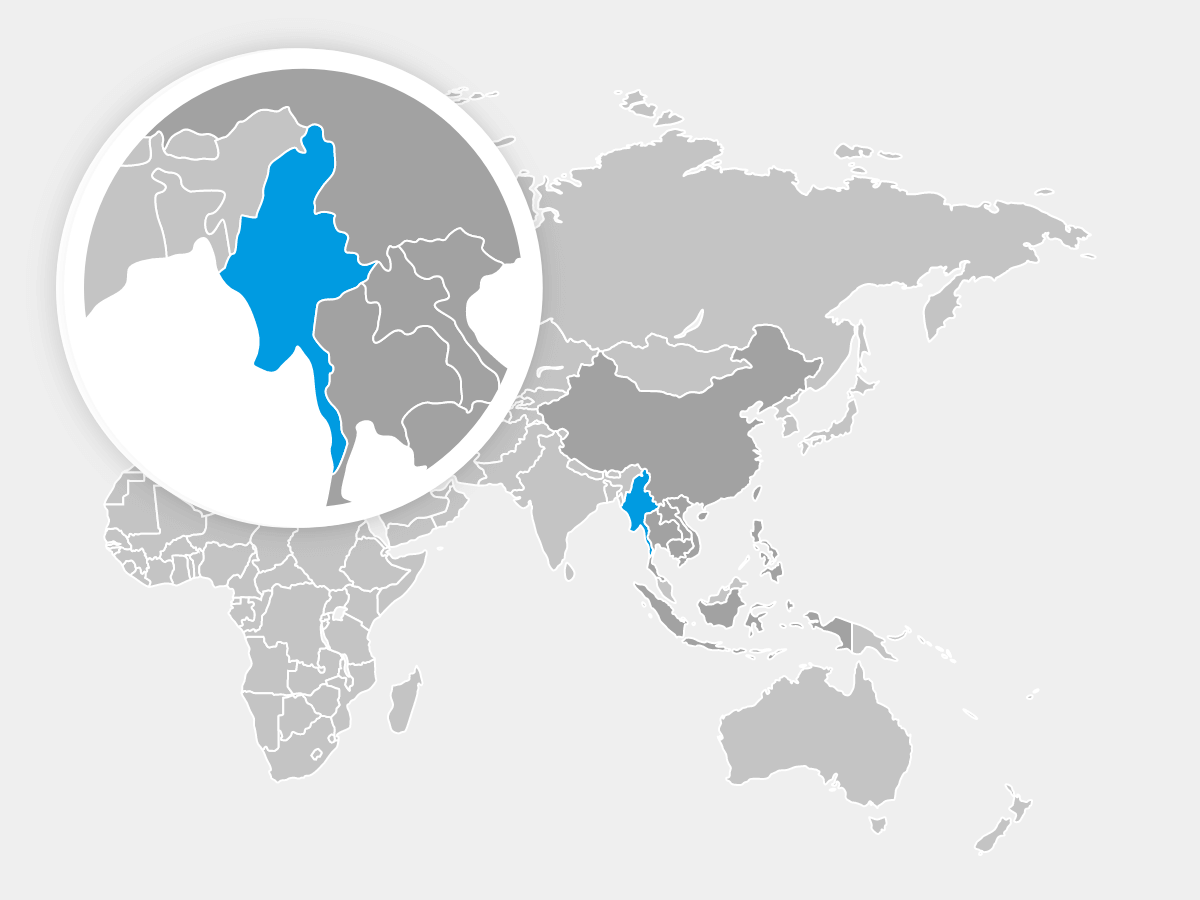
The transdisciplinary research project MYrisk focuses on improving risk prevention and mitigating the impacts of a wide range of natural and man-made hazards in Myanmar’s rapidly urbanising regions. During the research and development phase, the project established a holistic, socio-culturally adapted framework for integrated multi-hazard risk management (IMDRM). This innovative approach was initially tested in the megacity of Yangon and subsequently extended to Nay Pyi Taw, Mandalay and Taunggyi, with plans to expand to other cities in the Ayeyarwady Delta. By combining international expertise with local insights from government, administration, the private sector and civil society, MYrisk addresses critical challenges arising from earthquakes, floods, tropical cyclones and health crises.
The chosen methodology employed a mixed-methods approach, combining quantitative statistics and standardised surveys with qualitative expert interviews and household focus groups. These results were integrated with high-resolution remote sensing data in a geographic information system (GIS) to create detailed risk visualisations. Key innovations developed during this phase include concepts for institutional collaboration and communication, awareness programmes on the protection of personal documents, and preparedness strategies for systemically important small and medium-sized enterprises (SMEs) to safeguard critical infrastructure. By establishing exchange platforms for ‘Build Back Better’ strategies, MYrisk offers a scalable model for sustainable, community-based risk management in Southeast and South Asia.
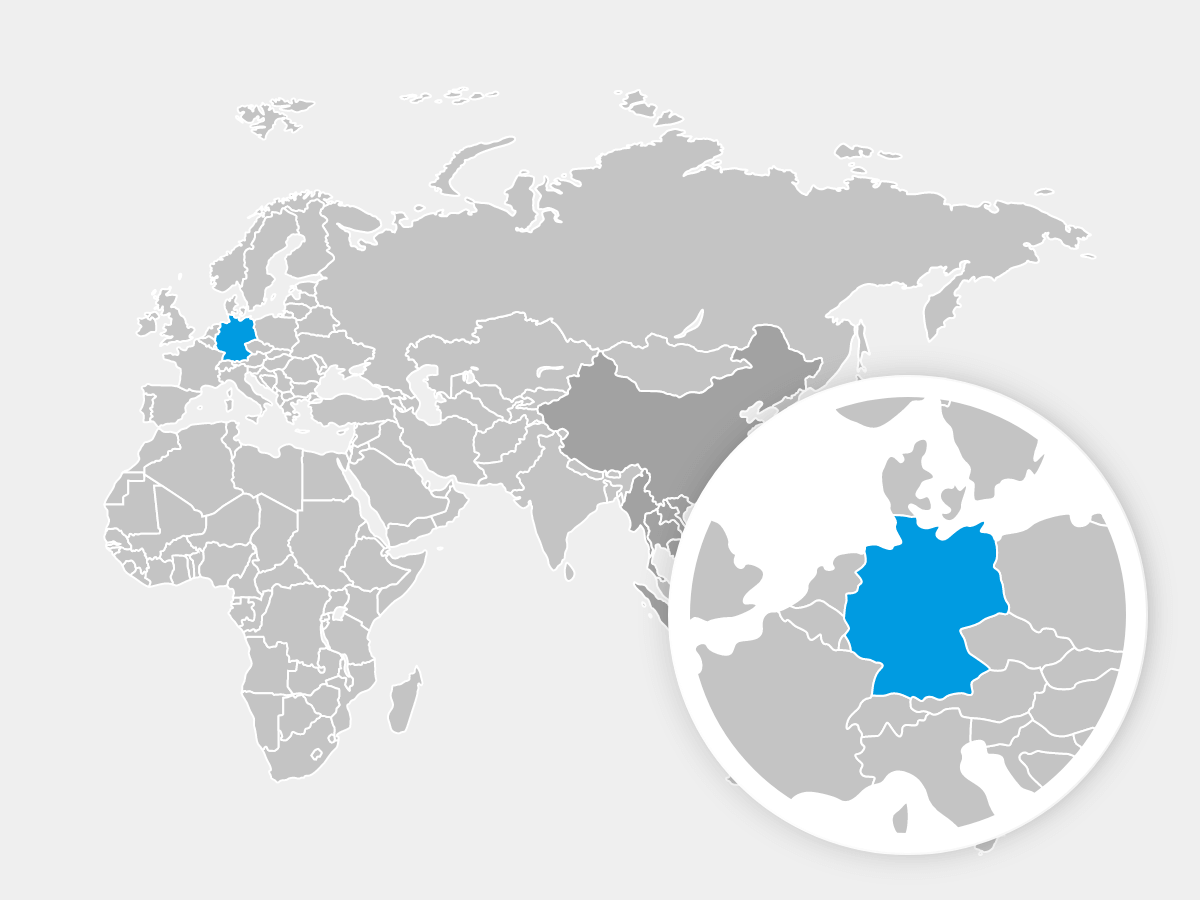
German Partners
- Geographisches Institut der Universität zu Köln
- Municipal Drainage Operation Cologne
- Cologne Fire Department
- German Committee for Disaster Reduction
- Notfallseelsorge Remagen
- Hotel Resilient Certifications
Asian Partners
- Yangon City Development Committee
- Yangon Region Government
- Department for Urban and Housing Development, Ministry of Construction
- University of Yangon
- Myanmar Environment Institute
- Nay Pyi Taw City Development Committee
- Shan State Government
- Mon State Government
- Mandalay City Development Committee
- University of Mandalay
- Mawlamyine University
- Taunggyi University
- ICLEI Southeast Asia
Prof. Dr. Frauke Kraas
dr-frauke-kraas-myrisk-2
©Manfred Wodak
The aim of the transdisciplinary research project to create a comprehensive concept of integrated multiple risk management that brings together decision-makers from government, academia, the private sector and civil society, based on the example of megacity Yangon. The project will improve institutional, private sector and personal risk prevention and thus reduce the consequences of multiple risks.
These news might also interest you
Press Conference on the Results of the MSME Survey
On 10 May 2022, the results of the survey on disaster preparedness of micor, small and medium-sized enterprises (MSMEs) in…

Project coordination
dr-frauke-kraas-myrisk-2
©Manfred Wodak